

Clean eating isn’t just a trend; it’s a lifestyle choice that emphasizes whole, unprocessed foods. By focusing on natural ingredients and minimizing additives, individuals can nourish their bodies while promoting overall health. This approach encourages people to reconnect with their food and understand its impact on well-being.
As more people seek healthier options, clean eating has gained popularity for its simplicity and effectiveness. It’s not about strict diets or deprivation; rather, it’s about making mindful choices that lead to lasting changes. By embracing clean eating, individuals can enhance their energy levels, improve digestion, and even boost their mood. Whether you’re a seasoned health enthusiast or just starting your journey, clean eating offers a pathway to a healthier, more vibrant life.
What Is Clean Eating?
Clean eating encompasses a lifestyle choice focused on whole, minimally processed foods. Its principles emphasize natural ingredients and reduce additives, appealing to those seeking healthier eating habits.
Definition and Principles
Clean eating defines a practice centered on consuming foods that are as close to their natural state as possible. This includes fruits, vegetables, whole grains, lean proteins, and healthy fats. Key principles include:
- Whole foods: Foods that are unrefined and unprocessed, such as fresh produce and whole grains.
- Natural ingredients: Ingredients without artificial additives or preservatives, ensuring higher nutritional quality.
- Mindful choices: Making informed decisions about food sources and ingredients, emphasizing quality over quantity.
- Hydration: Prioritizing water intake over sugary beverages to support overall health.
Benefits of Clean Eating
Clean eating offers numerous health benefits that enhance overall well-being. Benefits include:
- Increased energy levels: Nutrient-rich foods fuel the body, improving stamina and reducing fatigue.
- Improved digestion: High fiber intake from whole foods promotes gut health and regularity.
- Enhanced mood: Balanced meals contribute to emotional stability and mental clarity.
- Weight management: Clean foods are often lower in calories and higher in nutrients, supporting healthy weight control.
Clean eating represents a sustainable approach to nutrition, leading to long-lasting positive health outcomes.
Key Components of Clean Eating
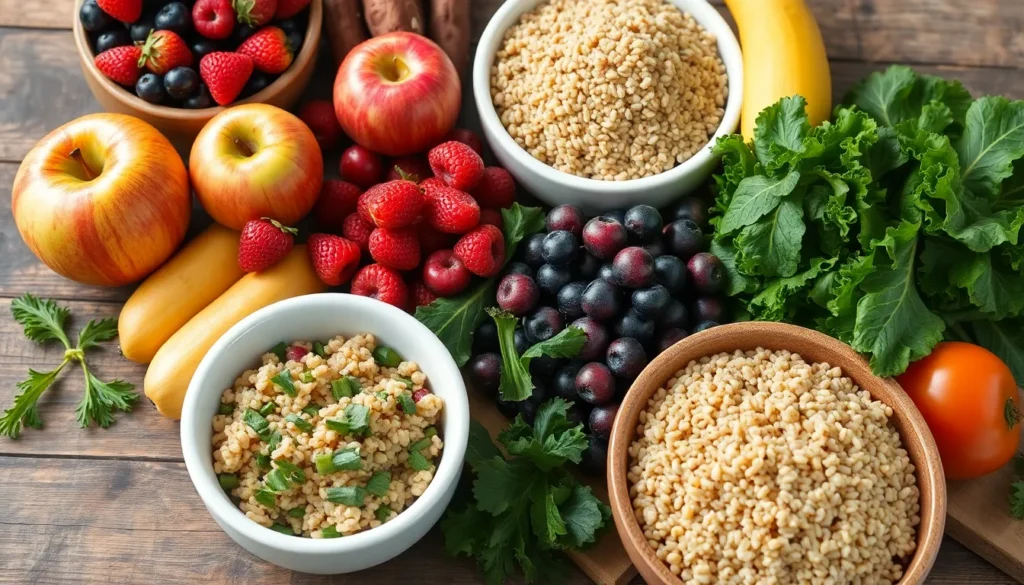
Clean eating emphasizes the incorporation of whole foods while minimizing processed foods. Understanding its core components enhances the clean eating approach.
Whole Foods vs. Processed Foods
Whole foods include unrefined, natural options like fruits, vegetables, nuts, seeds, and whole grains. Processed foods, however, often contain additives, preservatives, and artificial ingredients that diminish nutritional value. Choosing whole foods leads to higher nutrient intake, lowers the risk of chronic diseases, and promotes overall well-being. Examples of whole foods include apples, quinoa, brown rice, and kale, while processed foods include sugary cereals, chips, and pre-packaged meals.
Importance of Nutrient Density
Nutrient density refers to the ratio of essential nutrients to caloric content in foods. Foods rich in vitamins, minerals, and antioxidants while being lower in calories are vital in a clean eating regimen. Consuming nutrient-dense foods, such as leafy greens, berries, and legumes, supports energy levels and cognitive function. Aiming for high nutrient density ensures individuals receive adequate nutrition without excess calories, ultimately promoting long-term health.
Clean Eating Meal Planning
Clean eating meal planning streamlines the process of selecting nutritious foods. It involves thoughtful preparation, ensuring every meal contributes to a healthier lifestyle.
Tips for Creating a Balanced Meal Plan
- Incorporate Variety: Include a range of food groups, such as fruits, vegetables, whole grains, lean proteins, and healthy fats. This ensures a broad spectrum of nutrients.
- Prioritize Whole Foods: Focus on unprocessed foods like fresh produce and whole grains. Limit items with added sugars, preservatives, and artificial ingredients.
- Plan for Snacks: Choose clean snacks, such as raw nuts, Greek yogurt, or fresh fruit. Having healthy options on hand curbs unhealthy cravings.
- Batch Cook: Prepare meals in advance to save time and maintain consistency in eating habits. Cooking in bulk helps reduce reliance on convenience foods.
- Adjust Portions: Tailor serving sizes to individual dietary needs. Use measuring devices or portion control tools to maintain balance.
- Stay Hydrated: Include plenty of water throughout the day. Opt for infused water with fruits or herbs instead of sugary beverages.
Sample Clean Eating Recipes
| Recipe | Ingredients | Instructions |
|---|---|---|
| Quinoa Salad | Quinoa, cucumber, bell pepper, cherry tomatoes, lemon, olive oil, parsley | Cook quinoa, chop vegetables, mix with olive oil and lemon juice. |
| Grilled Chicken Bowl | Chicken breast, brown rice, spinach, avocado, salsa | Marinate chicken, grill until done, assemble with other ingredients. |
| Overnight Oats | Rolled oats, almond milk, berries, chia seeds | Mix ingredients in a jar, refrigerate overnight, enjoy in the morning. |
| Vegetable Stir-Fry | Broccoli, bell pepper, carrots, garlic, ginger, tamari | Sauté vegetables in a pan with garlic and ginger, add tamari to taste. |
| Salmon with Asparagus | Salmon fillet, asparagus, lemon, garlic, olive oil | Roast salmon and asparagus in the oven, season with garlic and lemon juice. |
Challenges of Clean Eating
Clean eating presents various challenges that individuals encounter on their journey to healthier living. Recognizing these obstacles helps in developing effective strategies for overcoming them.
Overcoming Common Obstacles
Overcoming common obstacles is crucial for maintaining a clean eating lifestyle.
- Limited Access to Clean Foods: Many individuals face challenges due to a lack of access to fresh produce and whole foods, particularly in food deserts.
- Cost of Healthy Options: Whole foods often cost more than processed alternatives, making it difficult for some to prioritize clean eating.
- Time Constraints: Preparing clean meals requires time for shopping, cooking, and meal prep, which may be hard for those with busy schedules.
- Social Pressures: Social gatherings and eating out pose challenges with high-calorie, processed food options that can derail clean eating efforts.
- Cravings for Processed Foods: Individuals may experience cravings for processed snacks and beverages, making it hard to stick to clean eating principles.
Identifying these obstacles allows individuals to develop personalized strategies and maintain adherence to clean eating.
Staying Motivated
Staying motivated plays a vital role in sustaining clean eating habits.
- Set Realistic Goals: Establishing achievable goals can foster a sense of accomplishment and keep motivation high.
- Track Progress: Keeping a food journal or using apps to log meals helps individuals visualize their journey and recognize improvements.
- Find Support: Engaging with a community or support group can provide encouragement, shared experiences, and accountability.
- Experiment with Recipes: Trying new clean eating recipes reignites interest and enthusiasm, keeping meals exciting and enjoyable.
- Celebrate Wins: Acknowledging accomplishments, no matter how small, reinforces commitment and promotes satisfaction with healthy choices.
Maintaining motivation encourages individuals to embrace clean eating as a long-term lifestyle, not just a temporary diet.
Clean eating offers a practical approach to nourishing the body with whole foods and natural ingredients. By prioritizing nutrient-dense options and minimizing processed foods, individuals can experience significant health benefits. This lifestyle encourages mindful eating habits and fosters a deeper connection to food.
While challenges may arise, embracing clean eating can lead to lasting positive changes. With effective meal planning and a supportive community, anyone can navigate the journey toward better health. Ultimately, clean eating isn’t just a trend; it’s a sustainable way to enhance well-being and vitality for the long term.


